
Can Valeting Remove Stains From Your Car?
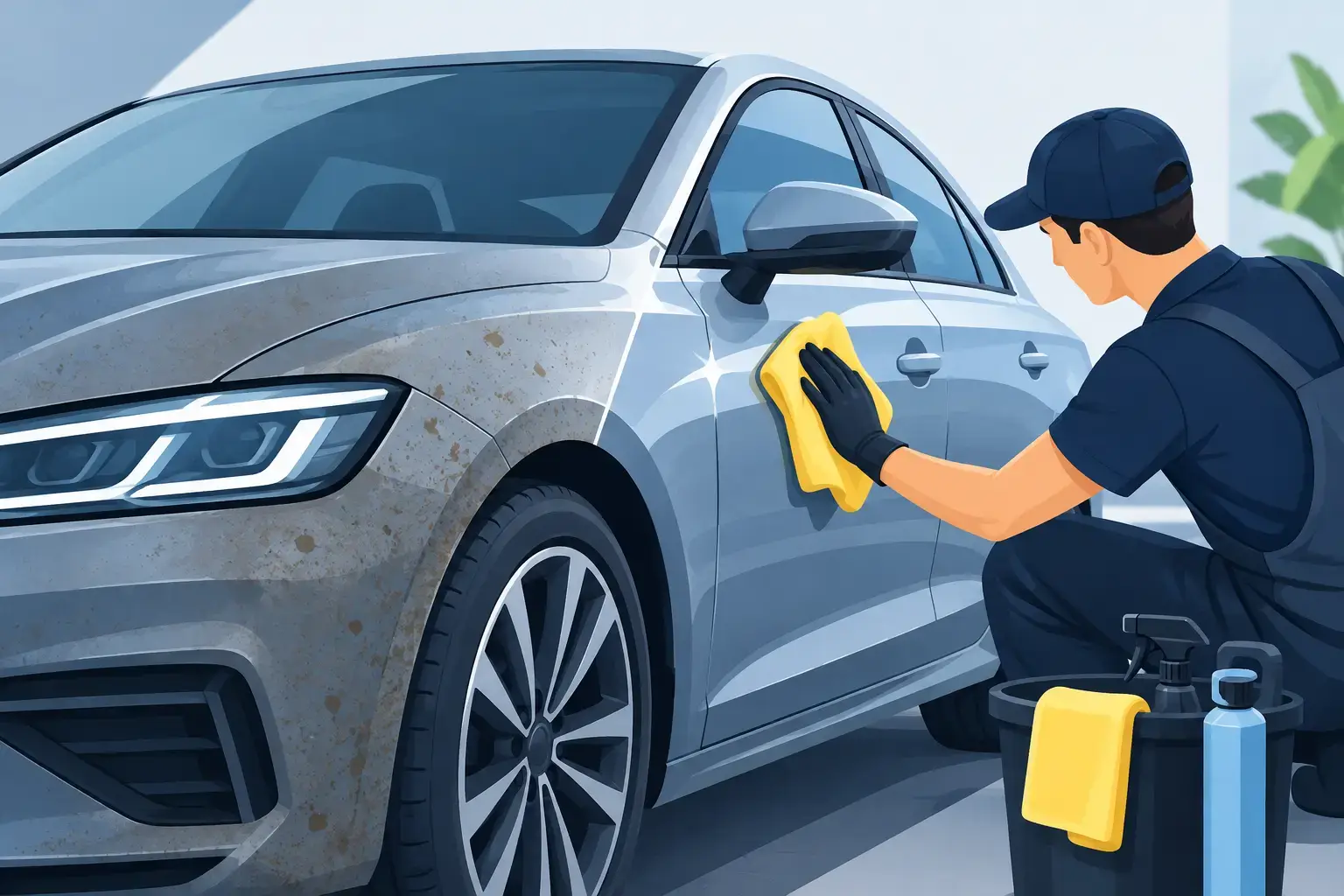
A coffee spill on the driver’s seat, muddy footprints in the rear footwell or a mystery mark on the headlining can make an otherwise tidy car feel neglected. So, can valeting remove stains? In many cases, yes - particularly when stains are treated promptly with the right products, tools and technique. However, the result depends on what caused the mark, how long it has been there and which surface it has affected.
Professional valeting is designed to improve the cleanliness and presentation of your vehicle without you needing to give up part of your weekend. For drivers who use their car every day for commuting, family trips, client visits or school runs, a proper interior clean can make a significant difference.
What stains can professional valeting remove?
A thorough valet can treat many common interior stains, including food and drink spills, light mud, salt marks, general grime, pet-related marks and everyday build-up on seats, carpets and door cards. Fabric upholstery and carpet are especially responsive when the contamination has not had months to settle into the fibres.
Tea, coffee, fizzy drinks and muddy water often leave visible staining because they carry colour, sugar or soil deep into the material. A professional clean uses suitable fabric cleaners and extraction methods to lift contamination from below the surface rather than simply freshening the top layer. This is why a home vacuum and a quick wipe can leave a stain looking better initially, only for it to reappear once the fabric dries.
Leather can also benefit from careful cleaning. Many marks on leather seats are surface transfer from clothing, food, sunscreen or general use. These can often be reduced safely with dedicated leather products, followed by conditioning where appropriate. Leather requires a more measured approach than fabric, as harsh household cleaners can remove protective coatings or leave the surface dry and uneven.
Can valeting remove stains from every surface?
Not every stain can be fully removed, and a reliable valeter should be clear about that before promising a result. Some marks become permanent because they have altered the material itself rather than sitting on its surface.
Dye transfer from dark jeans, ink, makeup, paint, oil and strong coloured drinks can be difficult to remove completely. Older stains are also more challenging, particularly after repeated heating and cooling in a parked car. The longer contamination remains in fabric, the more likely it is to bond with the fibres.
Headlining deserves special care. It is usually a delicate fabric bonded to a backing board, so excessive moisture or aggressive scrubbing can cause sagging. A valeter can often improve localised marks using low-moisture methods, but a heavily stained or damaged headlining may need specialist repair or replacement rather than a conventional deep clean.
There is a similar distinction with odours. Valeting can remove the source of many smells, such as spilled milk, damp carpets or food debris. If moisture has reached the underlay, however, the interior may need more extensive drying and treatment before the smell is properly resolved.
Why quick action gives the best result
If something spills in the car, blot it as soon as possible with a clean, absorbent cloth. Avoid rubbing, which can spread the stain and push it further into the fibres. Plain water may help with a fresh water-based spill, but it is sensible not to soak the area or apply a random cleaning product before knowing what is safe for the material.
Household stain removers can create their own problems. Products intended for sofas or household carpets may bleach automotive fabric, leave a sticky residue or react poorly with previous treatments. Over-wetting seats can also lead to a lingering damp smell, especially during colder weather when the car is not ventilated.
For a stain that matters to you - on a light-coloured seat, a premium interior or a vehicle you are preparing to sell - arranging professional help early is normally the more cost-effective choice. It gives the cleaning process the best chance of success and avoids turning a small mark into a larger patch.
What happens during an interior stain treatment?
The process should be matched to the material and the type of contamination. First, the affected area is assessed. A valeter will look at the location, age and likely cause of the stain, as well as the condition of the fabric, leather or trim around it.
Loose dirt is removed before any wet cleaning begins. This matters because grit and dry debris can be worked into the material during cleaning. Suitable products are then applied to break down the contamination, followed by agitation where safe and extraction or controlled removal of the residue.
On fabric seats and carpets, extraction can be particularly effective for pulling cleaner and loosened dirt from the fibres. The area is then left as dry as practical, although deeper treatments may need some drying time. Keeping windows slightly open where possible and allowing good airflow will help the interior dry fully.
The aim is not to use the strongest possible chemical. It is to use the right method for the surface while protecting the vehicle’s materials. That is especially relevant for newer cars with delicate trim, light interiors and coated leather.
Choosing the right valet for stained interiors
A routine maintenance clean is useful for keeping a car presentable, but heavily soiled carpets, stained seats and neglected interiors may need a more comprehensive package. When booking, describe the stain honestly and, if possible, say what caused it and when it happened. This allows the valeter to allow sufficient time and bring the appropriate equipment.
At Refined Detail, mobile valeting is available at your home or workplace across areas including Congleton, Macclesfield, Wilmslow, Alderley Edge, Stockport and Poynton. The convenience is straightforward: your vehicle can be professionally cleaned while you get on with the day, rather than arranging a trip to a valeting centre.
Bronze valets start from £35 for accessible upkeep, while Silver packages from £70 offer a more thorough clean. For vehicles needing deeper cosmetic attention, Gold detailing starts from £150. The most suitable option depends on the overall condition of the car, not just one stain. A vehicle with clean paintwork but a single fresh spill may need less work than a car with ground-in carpets, pet hair and several months of interior use.
When a stain may need more than valeting
Occasionally, cleaning reveals that the issue is wear, fading or damage rather than dirt. A pale patch may be fabric bleaching. Cracked leather, melted trim, cigarette burns and deep scratches will not disappear through cleaning alone. In these situations, valeting can still improve the surrounding area and make the damage less noticeable, but repair is a separate service.
It is also worth being realistic about vehicles used for children, pets or regular work travel. The goal does not have to be a showroom-perfect cabin after every visit. Regular professional cleaning keeps stains from becoming embedded, protects the overall appearance and makes the car a more pleasant place to spend time.
If a spill or stain is bothering you every time you open the door, do not wait for it to become part of the interior. Early treatment, sensible expectations and the right level of valet give your car the best chance of looking cared for again.