
How to Remove Car Odours That Keep Coming Back
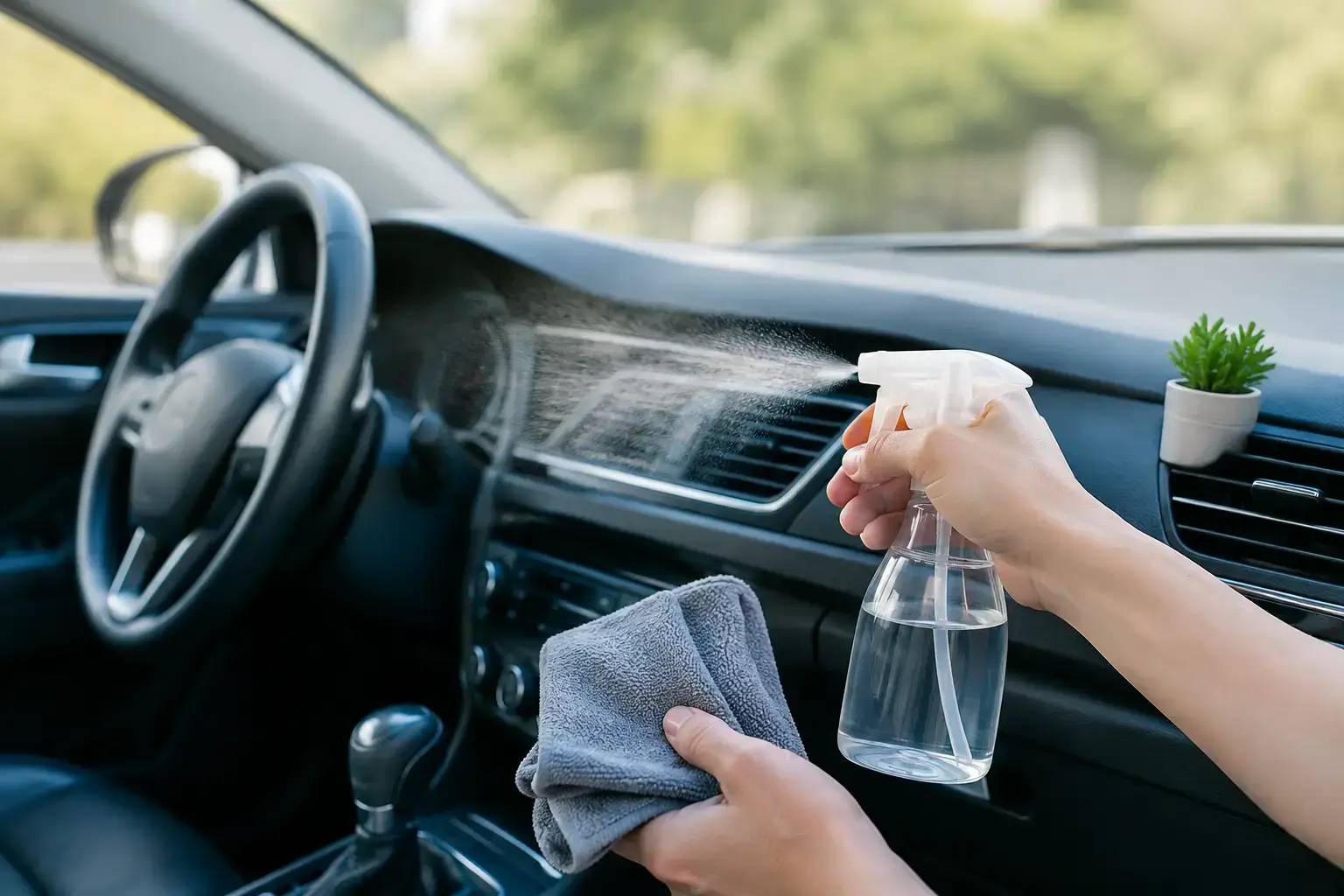
A car can look clean and still smell unpleasant the moment you open the door. That is because sprays and air fresheners only mask the problem. Knowing how to remove car odours properly means finding the source, cleaning it thoroughly and allowing the interior to dry before the smell settles back in.
For busy drivers, the source is often something small that has been overlooked: a coffee spill under the seat, damp floor mats after a wet school run, food packaging in a door pocket or pet hair worked into the boot carpet. Left alone, these can create a smell that becomes more noticeable whenever the car is closed up overnight.
Start by finding the source of the smell
Before using any product, remove everything from the cabin and boot. Check under the seats, inside seat pockets, cupholders, door bins and the spare-wheel well. Take out the floor mats and inspect the carpet beneath them. This is particularly worthwhile after heavy rain, when water can collect in places that are not obvious from the driver’s seat.
Different odours usually point to different causes. A musty smell often means damp carpets, blocked drainage channels or a cabin filter that needs attention. Sour smells commonly come from milk, drinks or food residue. Pet odours tend to linger in fabric seats, carpets and the boot area, while a stale smoke smell clings to headlining, trim and ventilation ducts.
If the cabin smells strongly of fuel, exhaust fumes or burning, do not treat it as a cleaning issue. Arrange for the vehicle to be inspected. These smells can indicate a mechanical or sealing fault and need resolving before any interior clean will last.
How to remove car odours from carpets and upholstery
Carpet and fabric seats hold odours more readily than plastic trim, especially when a spill has soaked through the surface. Vacuum first, using a crevice tool around seat runners, pedals and the joins between cushions. This removes crumbs, hair and dry debris that can otherwise become damp during cleaning.
For a fresh spill, blot it with a clean absorbent cloth. Avoid rubbing, as this spreads the liquid deeper into the fibres. Use a suitable interior fabric cleaner according to its instructions, working in small sections rather than soaking the whole seat or carpet. A soft upholstery brush can help lift residue, but use a light touch on delicate fabrics.
Once cleaned, extraction is the part that makes the real difference. Professional upholstery extraction removes dirty moisture from below the surface, where odours often remain after a quick wipe-down. At home, use a wet vacuum if you have one, or blot repeatedly with dry microfibre cloths. Then leave doors or windows open in a safe, dry place until the area is fully dry.
Do not rush this stage. A damp car interior can develop a musty smell within a day or two, making it seem as though the original odour was never removed. In winter or wet weather, drying can take longer than expected.
Treating food, milk and drink spills
Milk is one of the most persistent car smells because the proteins can sour below the visible surface. Clean the affected area promptly and thoroughly, including the carpet under a child seat or the padding beneath a removable boot liner. An enzyme-based cleaner designed for organic stains can be effective, but test it on an inconspicuous area first.
For coffee, fizzy drinks and similar spills, cleaning the surrounding fabric matters as much as cleaning the visible mark. Liquid can travel sideways through carpet backing and seat foam. If the smell returns as the cabin warms up, there is usually residue still below the surface.
Removing pet smells and hair
Pet odours are best tackled by removing the hair first. Vacuum slowly, then use a rubber brush or pet-hair tool on upholstery and boot carpet where needed. Clean washable boot liners, seat covers and blankets separately, as these are often the strongest source of the smell.
Use an appropriate upholstery cleaner on the areas where pets sit or lie down, paying attention to seams and the edges of the boot. Avoid simply adding a strong fragrance. Perfume mixed with pet odour is rarely an improvement, and it can make the interior unpleasant for passengers.
Clean the places sprays cannot reach
A lingering smell is not always in the seats or carpet. Interior plastics, glass and headlining can hold smoke, food grease and airborne residue. Wipe hard surfaces with an interior-safe cleaner and a clean microfibre cloth. Clean the inside of the windows too, particularly if the car has been smoked in, as residue can settle on the glass.
Headlining needs more care. It is usually bonded to a backing board, and too much moisture can loosen the adhesive. Use very little product on a cloth and gently dab rather than scrub. If smoke or staining is widespread, professional treatment is the safer option.
The ventilation system also deserves attention. Replace the cabin pollen filter if it is dirty or overdue. A clogged filter can hold dampness and odours, then circulate them whenever the heater or air conditioning is switched on. If there is a stale smell only when the fan runs, the air-conditioning evaporator or ventilation ducts may need specialist cleaning.
Use odour neutralisers carefully
After the source has been cleaned, an odour neutraliser can help deal with what remains. Activated charcoal bags are useful for absorbing light lingering smells while the car is parked. Bicarbonate of soda can help on dry carpet, but it must be vacuumed out completely and is not a substitute for cleaning a spill.
Avoid using excessive amounts of air freshener. It may offer a short-term improvement, but buyers, passengers and regular drivers can usually tell when fragrance is covering an unresolved issue. Strong products can also be irritating in the confined space of a car.
Ozone treatments are sometimes used for severe smoke and organic odours, but they should be handled by trained professionals. Ozone is not something to run in an occupied vehicle, and it cannot fix damp upholstery, old spills or a mechanical problem. The cleaning still has to come first.
When a professional interior clean is worthwhile
A professional clean is usually the sensible choice when the odour has returned after home cleaning, when the source has soaked into seat foam or carpets, or when the car has smoke, pet or damp-related smells throughout the cabin. It is also useful before selling a vehicle, returning a lease car or collecting a family car after a particularly busy season.
The right level of service depends on the problem. A routine valet can refresh a well-kept interior, but deeply embedded odours may need more time, upholstery treatment and drying than a standard clean allows. Be clear about what caused the smell when booking, as this helps the detailer prepare the appropriate products and equipment.
For drivers in Congleton, Macclesfield, Wilmslow, Alderley Edge, Stockport or Poynton, a mobile appointment avoids the need to spend time travelling to a valeting centre. Refined Detail brings 15 years of experience to home and workplace visits, with Bronze valets from £35, Silver packages from £70 and Gold detailing from £150. For persistent interior odours, it is worth discussing the vehicle’s condition before choosing a package.
Keep car odours from returning
The most effective prevention is simple: remove rubbish regularly, clean up spills immediately and do not leave wet coats, umbrellas or sports kit in the vehicle. Shake out and dry floor mats after muddy or rainy journeys, and check the boot after carrying plants, pets or damp equipment.
If your windows mist up frequently or the carpets feel damp, investigate rather than continually masking the smell. A leak around a door seal, windscreen, sunroof or boot can create an ongoing odour problem and may eventually affect the vehicle’s interior condition.
A clean, dry cabin should smell neutral rather than heavily fragranced. Once the cause has been removed, that fresh, understated result is easier to maintain and far more pleasant every time you get behind the wheel.