
Professional Car Interior Detailing Explained
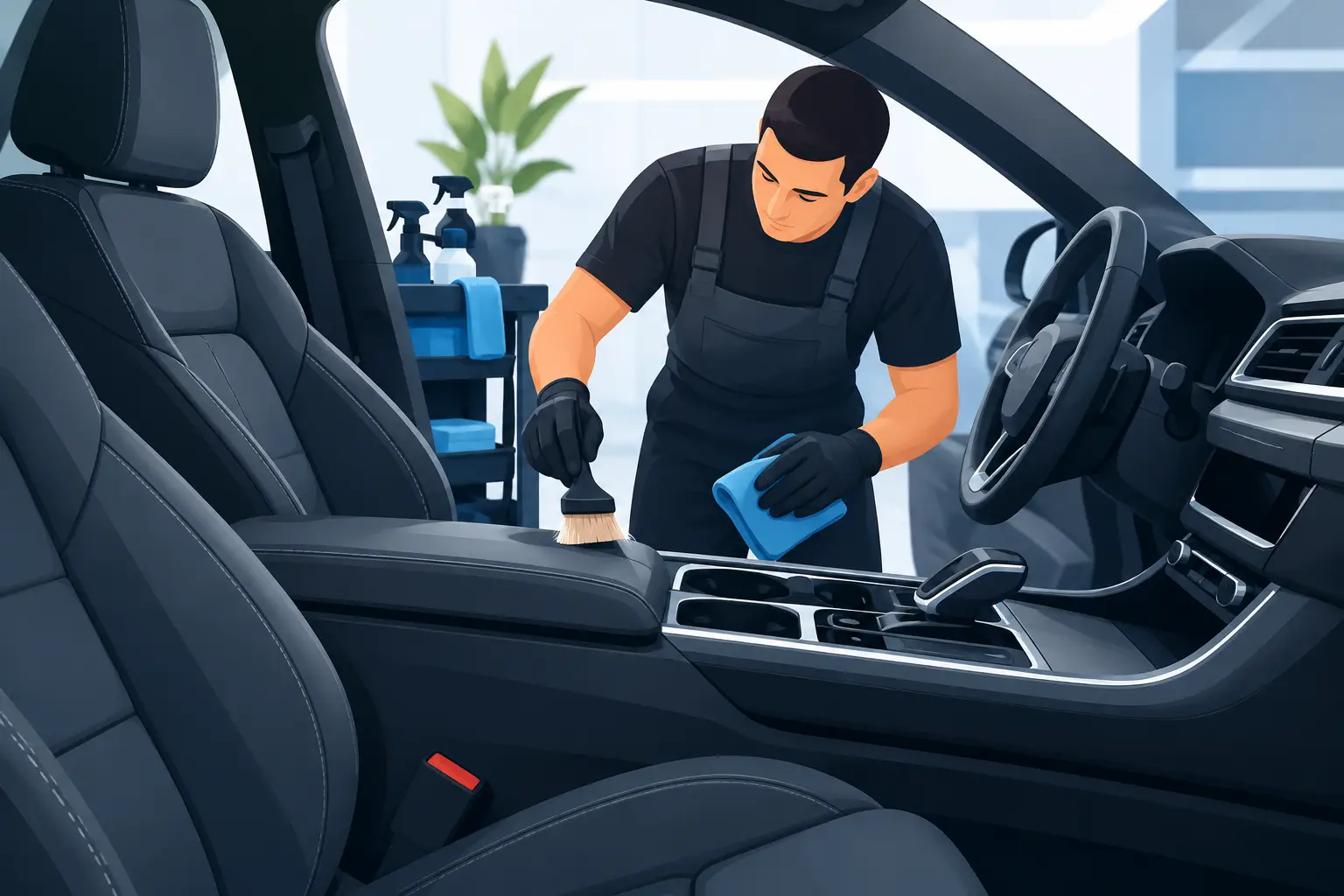
A clean cabin changes the way a car feels. Dust on the dashboard, crumbs in the seat rails, marks on the upholstery and lingering smells can make even a well-maintained vehicle feel tired. Professional car interior detailing goes further than a quick vacuum and wipe-down, concentrating on the surfaces, fabrics and awkward areas that receive the most daily use.
For busy drivers, the value is not simply a cleaner car. It is the time saved, the comfort of driving in a fresh space and the reassurance that materials are treated properly. Whether your car is used for commuting, school runs, client visits or weekend trips, a properly detailed interior helps it remain presentable and easier to maintain.
What professional car interior detailing includes
The exact work depends on the condition of the vehicle, its interior materials and the package chosen. A lightly used hatchback with leather seats needs a different approach from a family SUV with fabric upholstery, pet hair and months of built-up dirt.
A professional interior detail normally begins with a thorough inspection. This identifies high-use areas, staining, odours, pet hair, sand, food debris and signs of wear. It also allows the detailer to select suitable products for leather, alcantara, fabric, plastics, piano-black trim and screens. Using one strong cleaner across every surface is quick, but it is not good practice and can leave delicate materials looking dull or damaged.
The cabin is then cleared of loose rubbish and personal items where possible. Carpets, mats, seats, boot areas, crevices and seat rails are vacuumed carefully. Compressed air, brushes and fine detailing tools can be used around vents, switches, stitching and tight gaps that a standard vacuum attachment will not reach.
Hard surfaces are cleaned with products designed to remove fingerprints, dust, grime and residue without leaving an overly shiny finish. The aim is a clean, natural appearance, not a slippery dashboard or glossy steering wheel. Interior glass is cleaned for clearer visibility, while door shuts and commonly missed edges may also be refreshed where included in the service.
The difference between a valet and an interior detail
A routine valet is ideal for regular upkeep. It keeps on top of road dust, everyday mess and the general build-up that comes with using a car. It is a sensible choice if your vehicle is already in reasonable condition and you want it looking smart again without a major time commitment.
Professional car interior detailing is more intensive. It is intended to improve the condition of the cabin rather than simply tidy it. The work takes longer because it involves closer attention to embedded dirt, stained fabrics, neglected trim and areas that are usually hidden from view.
Neither option is automatically better. The right choice depends on the result you need. A regular maintenance valet can prevent a vehicle becoming difficult to clean, while a deeper interior detail is often worthwhile before selling a car, returning a lease vehicle, welcoming a new baby, or after a particularly demanding season of family or pet use.
Fabrics, leather and carpets need different care
Fabric seats and carpets hold more than visible dirt. Fine dust, grit, skin oils and spill residue settle into the fibres over time. Depending on the material and level of soiling, a detailer may use fabric-safe cleaning methods to lift dirt and improve the appearance of the upholstery. Stains can often be reduced significantly, but no reputable service should guarantee complete removal before inspecting the fabric. Old stains, dye transfer, bleach marks and previous DIY cleaning attempts can be permanent.
Leather requires a measured approach. It should be cleaned with appropriate leather products, then protected or conditioned where suitable. Strong all-purpose cleaners and harsh scrubbing can strip protective coatings, dry the surface or affect the finish. Modern automotive leather is often coated, so it does not always need heavy conditioning. What it needs most is gentle cleaning and the right protection for its condition.
Alcantara, suede-effect materials, headlinings and high-gloss trim also require care. These surfaces can mark easily, so aggressive cleaning is rarely the answer. A professional will adjust the method to the material instead of treating the whole cabin the same way.
Odours need more than an air freshener
An air freshener can make a car smell pleasant for a short time, but it does not remove the source of an odour. Smoke, damp, pet smells, food spills and milk residue can all settle into fabrics, carpets and ventilation areas.
The first step is finding the cause. A forgotten item under a seat, moisture in the boot, damp floor mats or a spill in the rear footwell can keep creating the same problem. Once the source has been cleaned, a suitable odour-treatment process may help neutralise what remains.
There are limits. If water has entered the vehicle, mould is present, or the smell is linked to a mechanical fault, more than interior cleaning may be required. Dealing with the underlying issue protects the vehicle and prevents the odour returning.
When is an interior detail worth booking?
There is no fixed schedule because cars are used differently. A vehicle driven by one careful commuter may need only periodic maintenance, whereas a household car carrying children, dogs, sports equipment and shopping can benefit from more regular attention.
An interior detail is particularly useful after winter, when damp shoes and grit have taken their toll, or before summer trips when you want the cabin fresh and comfortable. It is also a practical preparation step before a sale or part exchange. A clean, well-cared-for interior gives prospective buyers a better first impression and makes the vehicle easier to assess.
For many customers, a sensible approach is to book a deeper clean when the car starts to feel beyond a normal valet, then maintain that result with regular visits. This can be more cost-effective than waiting until stains, odours and ground-in dirt require extensive work.
Choosing the right level of service
Start with the vehicle’s current condition, not just its age. A newer car can need intensive attention after several months of heavy use, while an older vehicle may only need a careful maintenance clean if it has been looked after consistently.
At Refined Detail, Bronze valets start from £35 for accessible routine care, Silver packages start from £70 for a more comprehensive clean, and Gold detailing starts from £150 for customers seeking deeper cosmetic attention. The most suitable option will depend on the size of the vehicle, the condition of the interior and the work required to achieve the right result.
Be clear about anything that needs particular attention when booking. Mention pet hair, stains, smoke smells, spilled drinks, mould concerns or heavily soiled seats. This helps set realistic expectations and allows enough time to be allocated. Photographs can also be useful where there is significant staining or wear.
Preparing for a mobile interior detail
Mobile detailing is designed to fit around your day. Rather than travelling to a valeting centre and waiting around, you can have the work carried out at home or at your workplace. That is especially helpful for drivers in areas such as Congleton, Macclesfield, Wilmslow, Alderley Edge, Stockport and Poynton where a busy schedule can make vehicle care easy to postpone.
A little preparation helps the appointment run smoothly. Remove valuables, paperwork, child seats where practical and any items you need immediately after the clean. Let the detailer know about access restrictions, parking arrangements or particularly sensitive surfaces. If your car has a warning light, water leak or damaged trim, flag it beforehand so cleaning can be carried out with appropriate care.
Keeping the result for longer
The best way to preserve a freshly detailed interior is simple consistency. Shake out mats regularly, deal with spills promptly and avoid leaving food, wet clothing or gym kit in the vehicle. A small bin bag and microfibre cloth in the boot can prevent minor messes becoming a larger job.
For leather and trim, avoid household sprays and oily dashboard dressings. They can create shine, residue and glare rather than a clean finish. Use products intended for automotive interiors, or leave the deeper care to a professional.
A well-kept interior is easier to live with and easier to maintain. Book the level of care that suits how you use your car, then keep on top of the small things between visits so every journey starts in a cabin that feels properly looked after.