
What Exactly Is Car Detailing? A Clear Guide
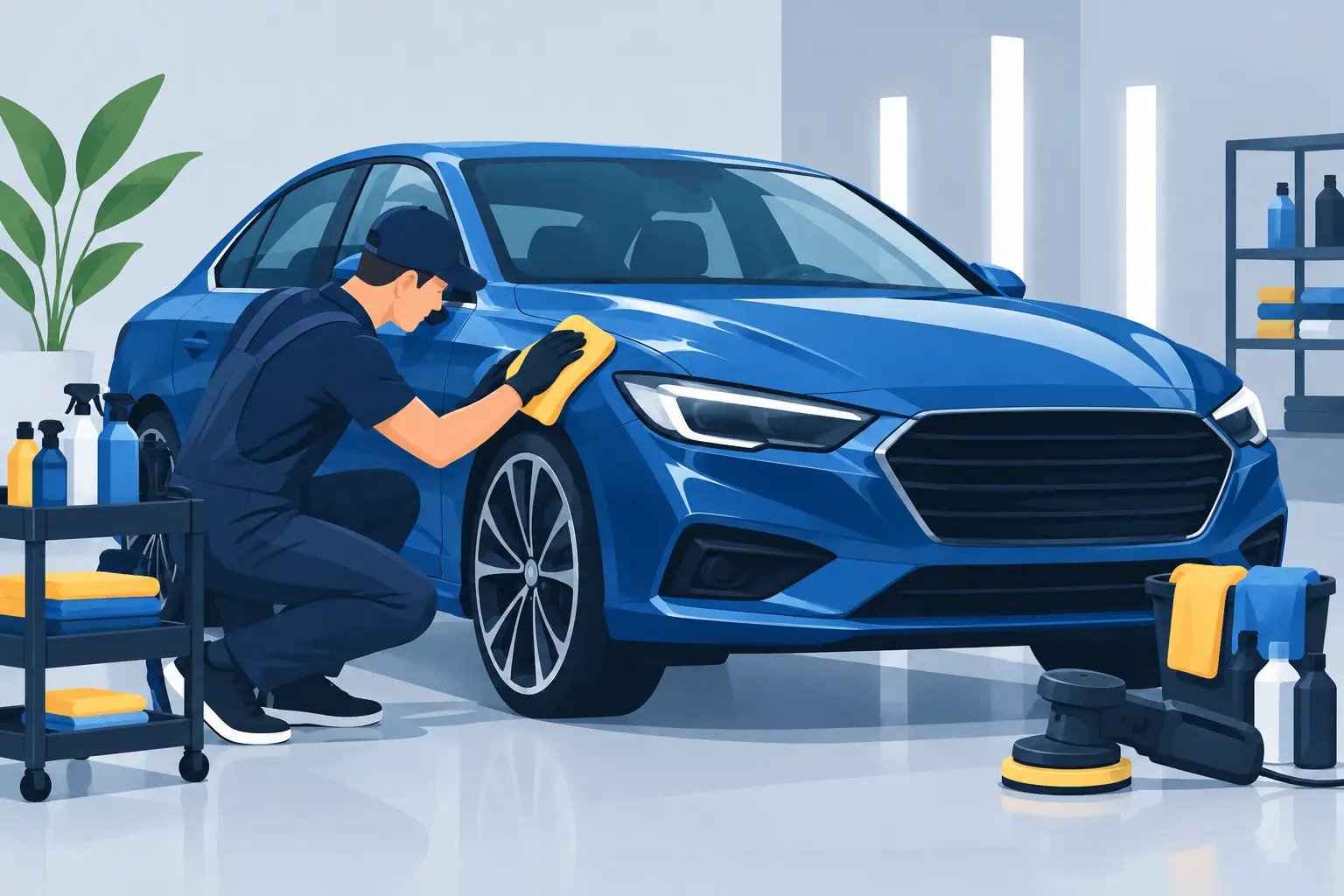
A quick wash can make a car look presentable for the school run or the Monday commute. But when road film has dulled the paintwork, brake dust has built up on the wheels and the interior no longer feels fresh, a more thorough approach is needed. So, what exactly is car detailing? It is the careful cleaning, restoration and protection of a vehicle, with attention given to the areas a routine wash or basic valet may not fully address.
Detailing is not just about making a car look clean for a day. Done properly, it improves the finish, helps preserve materials and makes regular upkeep easier. The exact work depends on the vehicle’s condition, its age, how it is used and the level of result you want.
What exactly is car detailing compared with a valet?
Valeting and detailing overlap, but they are not the same service. A valet is generally designed to clean and refresh a vehicle efficiently. It may include an exterior wash, wheel clean, vacuum, wipe-down of interior surfaces and finishing touches such as cleaning the glass and dressing tyres. For many drivers, it is the sensible choice for regular maintenance.
Car detailing goes further. It is a more methodical process focused on improving the vehicle’s appearance as well as cleaning it. A detailer works through the paintwork, wheels, trims, glass and interior with products and techniques selected for the material and condition in front of them. This can include safe decontamination, polishing to reduce light defects, deep interior cleaning and applying protection to the relevant surfaces.
The difference is often in the preparation and the finish. A standard wash may remove loose dirt, while detailing aims to remove bonded contamination and improve gloss without causing unnecessary wear. A valet can leave a car clean and tidy; a detail can leave it cleaner, sharper and better protected.
That does not mean every car needs an intensive detail. A well-kept family car may only need a regular valet with occasional deeper care. A car that has been through a hard winter, is being prepared for sale or has neglected paintwork may benefit more from a detailing service.
What does car detailing usually include?
There is no single checklist that applies to every detail. A professional should assess the vehicle and recommend work that suits its condition, rather than treating every car in the same way. However, a typical detail often covers the following areas.
Exterior cleaning and decontamination
The exterior is washed using methods intended to lift dirt safely from the paintwork. This normally starts with wheels, tyres and wheel arches, where brake dust and road grime can be particularly stubborn. The bodywork is then pre-cleaned and washed, including awkward areas such as door shuts, fuel fillers, badges and grille sections where dirt gathers.
Decontamination is one of the key differences between detailing and a quick wash. Even after washing, paintwork can hold tar spots, iron fallout from brakes and industry, tree sap or other bonded contaminants. Specialist products may be used to loosen these safely, leaving the surface smoother and ready for protection or polishing.
Paintwork enhancement and protection
Paint correction is the part many people associate with detailing. This involves machine polishing paintwork to reduce the appearance of light scratches, wash marks, haze and dullness. It can substantially improve gloss, but it is not a guaranteed cure for every mark. Deep scratches, stone chips, lacquer damage and dents may require bodyshop repair rather than polishing.
The level of correction needs to be balanced against the condition and thickness of the paint. Removing defects means removing a very small amount of clear coat, so a responsible detailer will not chase perfection at the expense of the vehicle’s long-term finish. Often, a sensible enhancement that delivers clearer, glossier paintwork is the better option.
Once prepared, paintwork can be protected with a quality wax, sealant or ceramic-style coating, depending on the service. Protection helps water shed more easily, reduces how strongly dirt bonds to the surface and supports easier future cleaning. It does not make a car immune to scratches, bird droppings or poor washing methods, so realistic aftercare matters.
Interior detailing
Interior work can be as simple or as involved as the car requires. A thorough clean may include vacuuming carpets and seats, cleaning mats, wiping and treating plastics, cleaning glass, addressing stains and freshening the boot area. Leather, fabric, alcantara, piano-black trim and touchscreens all need different care, which is why using the right product and technique matters.
A properly detailed interior should feel clean rather than heavily perfumed or greasy. Shiny dashboard dressings can look impressive at first, but they may create glare on the windscreen and attract dust. The best finish is usually clean, natural and appropriate to the material.
Wheels, glass and finishing areas
Details such as clean wheels, clear glass, tidy tyres and fresh door shuts can change the whole impression of a vehicle. These are also the areas that are easily missed when time is short. Depending on the package, protection may be applied to wheels, exterior plastics, glass and tyres to improve their appearance and make maintenance simpler.
When is detailing worth booking?
Detailing is particularly useful after winter, when salt, grit and grime have taken their toll, or before selling a vehicle, when a better presentation can make it more appealing to prospective buyers. It is also a practical choice when you have recently bought a used car and want a fresh starting point for its care.
For commuter vehicles around Cheshire and Greater Manchester, regular motorway use, wet roads and tight work schedules can make it difficult to keep on top of cleaning. A mobile appointment at home or work means the car can receive professional attention without adding another journey to your day.
It is worth considering the condition of the car rather than simply its age. A newer vehicle with poor washing habits may need paint enhancement sooner than an older vehicle that has been carefully maintained. Equally, a vehicle used for children, dogs, site visits or frequent client journeys may benefit from more regular interior care.
Choosing the right level of service
The best service is not always the most extensive one. If your vehicle is already in good condition and needs a clean, well-presented finish, a maintenance valet may be enough. Refined Detail offers Bronze valets from £35 for accessible routine care, while Silver packages from £70 provide a more comprehensive clean.
For paintwork that needs more attention, or for owners wanting deeper cosmetic care and protection, Gold detailing starts from £150. The final recommendation should reflect the size, condition and requirements of the vehicle. A heavily soiled seven-seat family car, for example, will need a different amount of time and work than a regularly maintained hatchback.
Before booking, be clear about what matters most to you. It may be removing dog hair, reviving dull paintwork, preparing the car for sale or simply keeping a smart vehicle looking the part between busy weeks. This helps set the right expectations and ensures the service is focused where it will make the greatest difference.
How long does car detailing take?
A regular valet can often be completed relatively quickly, but detailing takes longer because preparation is the foundation of the result. Deep cleaning, decontamination, polishing and applying protection all require time to be carried out carefully. The duration can range from several hours to a full day or more for extensive paint correction work.
Mobile detailing also depends on practical conditions. Safe access around the vehicle, suitable parking and reasonable weather all help a visit run smoothly. An experienced mobile operator will discuss any requirements before arrival so there are no surprises on the day.
The value of detailing is not solely in the immediate shine. It is in having a vehicle that feels looked after, is easier to maintain and presents well whenever you pull up at work, collect the family or meet a client. Choose the level of care that suits how you use your car, then keep it consistent - that is what preserves a refined finish over time.